The first thing your hand reaches for in the morning, and the last thing it puts down at night. A draft that arrived already written, which you then corrected. None of it feels like a decision while it happens, and each of these habits carries an answer to a question you have never asked out loud: what is a tool allowed to do to the person holding it?
YOUR COMPASS ON THIS ROUTE
STATION 1 / 12
You write the term paper with a chatbot: it drafts, you edit. The work is yours as much as ever.
Socrates published nothing, and the objection recorded under his name is about handing the work of thinking to somebody else. In the Phaedrus he tells of the Egyptian god who invented letters and offered them as a remedy for memory; the king answers that a man with the marks on a page has no need to carry anything inside him, and so will carry nothing. Writing cannot be cross-examined: ask a page what it meant and it repeats the same sentence at the same volume. The draft on your screen has that property in an aggravated form, since it also sounds confident. Socrates never tested the product. He stopped people in the square and asked them to defend a word they had just used, which is the one thing an edited draft will not do for you at the seminar table.
they will appear to be omniscient and will generally know nothing; they will be tiresome company, having the show of wisdom without the reality
Augustine gave a whole book of the Confessions to memory and found a country inside it. Fields and spacious palaces, he calls them, stocked with images of everything the senses ever carried in, some of it arriving the instant he asks and some fetched slowly out of an inner room. What makes the tour uncanny is whom he meets there: in that vast court he comes upon himself, and recalls what he did and how he felt while doing it. Memory, on this description, is the place a person gets assembled. A man at a hospital desk with a dead phone in one hand and a pen in the other is finding out how much of that assembly now lives in a battery. Augustine would file no complaint against the notebook. His question is what becomes of a self that has stopped visiting its own rooms.
Descartes wrote down a test for machines in 1637 and it is still running. A mechanism can be built to emit words, he grants, even words matched to what is done to it: touch it here and it asks what you want, touch it there and it cries out. Where it fails is the open case, arranging words to answer whatever turns up in front of it, the way the dullest person alive manages every day. Reason he understood as one universal instrument, while organs need a separate arrangement for each separate task. A year of conversation that met everything you brought to it puts his criterion under strain, since the thing on the other side did arrange words aptly. Descartes would then ask what the arranging was done with, and a dorm room cannot settle that.
they could never use words or other signs arranged in such a manner as is competent to us in order to declare our thoughts to others
Bacon catalogued the ways a human judgment goes wrong and then went looking for a replacement. Four families of idols, on his count, sit inside anyone who judges: the ones belonging to the species, the ones grown out of a particular life, the ones that come in with words, and the ones inherited from schools of thought. Against them he set procedure, a method that does not depend on the quality of the man running it. Demanding that a person look at your CV again is, in his terms, an appeal from an instrument to a mirror with a bend in it, since the person will glance at your surname and at the hour of the day. His register of idols was drawn from the highest judicial office in the kingdom, where he had watched decisions being made. Whether a hiring algorithm is the instrument or one more idol he handed forward.
the human mind resembles those uneven mirrors which impart their own properties to different objects
Kant's objection to the mirrored screen has nothing to do with embarrassment. A person, in his formula, must always be treated as an end and never merely as a means, and reading someone's messages in order to manage his output treats him exactly as a means: the reader wants a quantity of work and takes whatever access delivers it. Kant stood for obedience to authority. He told subjects to argue as much as they liked and to obey while they argued, so a manager's right to direct the task he grants without hesitation. Publicity is where his line falls: a maxim that has to be hidden from the person it applies to fails his test, and a boss who could announce the monitoring in the room would have announced it already. The man noticing his own chat window on a monitor two rows away is being managed by a maxim nobody said aloud.
Plato treated what a city admits as a question of health. In the Republic he audits the songs and stories allowed to reach the young, removes the ones that train a soul to flinch or to gloat, and never consults the poets, because the patient is the one being treated. The Gorgias supplies his reason: cookery pleases the body while medicine serves it, and a craft that measures itself by how badly you want it has told you nothing about whether it does you good. An application tuned to keep a thumb moving is cookery with laboratory support. The commuters on the escalator with their eyes down, and the worker closing a grille above them, make the picture he would use. The hardest part of him is his own record here, since the city he built for this reason left nobody room to answer back.
Mill's case against the delete button grows out of his case for free speech. An opinion that has never met an answer is a dead thing in his account, kept upright by habit; a truth becomes yours through having been contradicted, and half the value of a published sentence lies in its remaining available for contradiction later. Erasing years of your own posts withdraws the material that made the argument checkable. He would separate this sharply from the sovereignty he grants you over your own life, where nobody may interfere except to prevent harm to others, since what you said in public entered a common stock. The student scrolling back with the cursor over a delete button is doing what he would defend as a private liberty and mourn as a public loss. He would also concede that a sentence written at nineteen keeps nobody honest.
Hume took apart the idea that using a thing amounts to agreeing to its terms. Against the theory of tacit consent he set a man carried aboard a ship in his sleep, who wakes at sea and obeys the captain because the alternative is water; nobody would call that obedience a freely made contract. Governments are obeyed, on his account, because people are born into them and habit handles the rest, and dressing the habit as a promise flatters everyone involved. Tapping accept at a bus stop in the rain is the same example reissued: the alternative to accepting is going without the thing, and that is the water. He would keep the practical side, since the arrangement works and people do rely on it. He simply declined to call the arrangement consent, and then asked what it actually rests on.
Marx would agree that the handmade thing is worth more and throw out the aesthetic reason for it. His subject is what happens to the maker: the product leaves the hand and stands opposite it as someone else's property, so the richer the output, the smaller the person producing it. Labour under those conditions belongs to another, and a man works at it the way you work at something you would drop the moment the compulsion lifted. That is why he called it estranged. A workshop where the tool answers to the hand keeps the loop closed, and the engineers behind the glass watching a machine arm assemble what they designed are standing at the far end of the same process. His claim is about who owns the works, and the quality of the seam never entered it.
The worker becomes all the poorer the more wealth he produces, the more his production increases in power and size.
Aristotle imagined the automatic workshop while defending slavery, which is the uncomfortable fact about the passage. His example comes from weaving and from music, where a tool that does its own work leaves no need for the hand that held it. An instrument exists in order to free a person for something, and what he is freed for carries the whole of the ethics: leisure spent thinking is the life ranked highest, and a man with time on his hands and no use for it has been handed the worse half of the bargain. Half a wage and a day at home would therefore be a genuine offer in his ledger, on one condition the card leaves open. The gloves folded on the crate say nothing about what replaces the work. He would ask what the man does at eleven in the morning.
if, in like manner, the shuttle would weave and the plectrum touch the lyre without a hand to guide them, chief workmen would not want servants, nor masters slaves
Skovoroda priced this offer with his own life and paid more than half of it. Educated at the Kyiv-Mohyla Academy and qualified for any career the age could hand him, he turned down post after post and spent his last decades walking the roads of the Left Bank with a flute and a Bible in his bag. The reasoning sits in his idea of kindred labour: each person is fitted to one kind of work, and the happiness available to them lies in doing it, so a man torn from that work stays wretched even in comfort. Anything that fills the hours with somebody else's business keeps him from finding out which work is his. Half your savings for a screenless year he would call a fair market price for the question. He would want to know what you plan to do in the silence.
Heidegger's question about the chip is what it makes of the person wearing it. Modern technology, in his reading, is a way things show up: a river becomes a supply of power and a forest becomes standing timber. A person becomes a resource whose throughput is due for improvement. Flawless memory is an engineering target, and a target of that shape treats your mind as inventory that happens to be underperforming. His alternative is harder to sell, a way of dwelling among things that lets them be what they are, which he found in craft and in a hand that knows its material. The electrodes taped behind an ear and the technician's tablet are precisely the arrangement he described. He is also the hardest man in this archive to read straight, since he joined a party that treated whole peoples as material.
Two readings of the same device ran under these stations. A tool extends a person and leaves him who he was, or a tool rearranges him while he uses it and the rearrangement is the real product. Your swipes took sides on this more often than you noticed. If you kept agreeing with the men who wanted the instrument, the record on why the West grew rich shows what that appetite built. If you kept flinching, the record on Augustine and the inner self first described the rooms that are now being emptied.
SOURCES
Plato, Phaedrus, 275b (tr.: Benjamin Jowett; укр. ред.) · en.wikisource.org
Augustine, Confessions, Book X (tr.: E. B. Pusey; укр. ред.) · www.gutenberg.org
René Descartes, Discourse on the Method, Part V (tr.: John Veitch; укр. ред.) · www.gutenberg.org
Francis Bacon, Novum Organum, I.41 (tr.: укр. ред.) · www.gutenberg.org
Karl Marx, Economic and Philosophic Manuscripts of 1844, Estranged Labour (tr.: укр. ред.) · www.marxists.org
Aristotle, Politics, Book I (tr.: Benjamin Jowett; укр. ред.) · en.wikisource.org
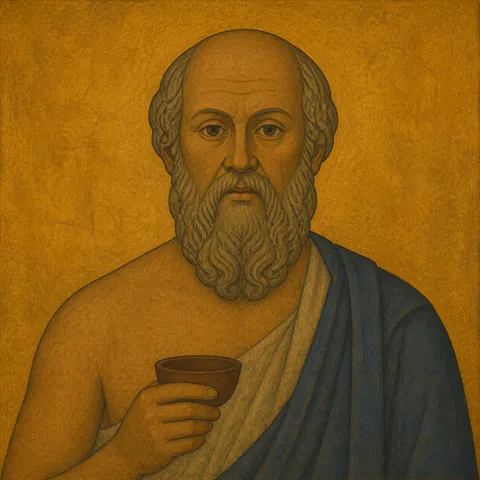 Socrates
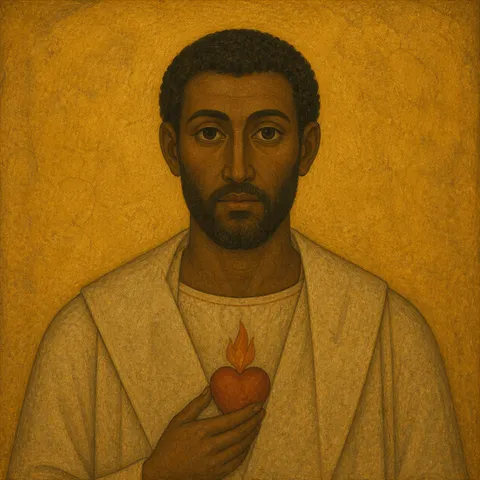 Augustine of Hippo
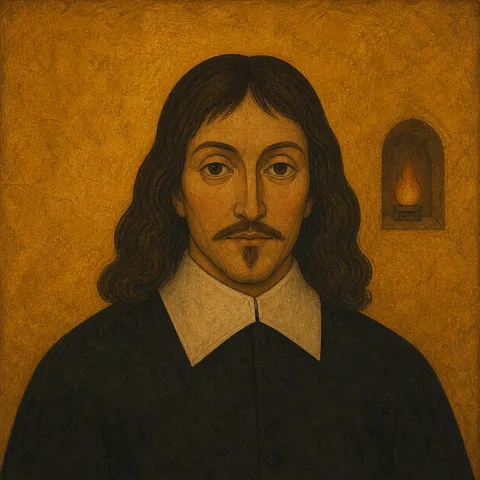 René Descartes
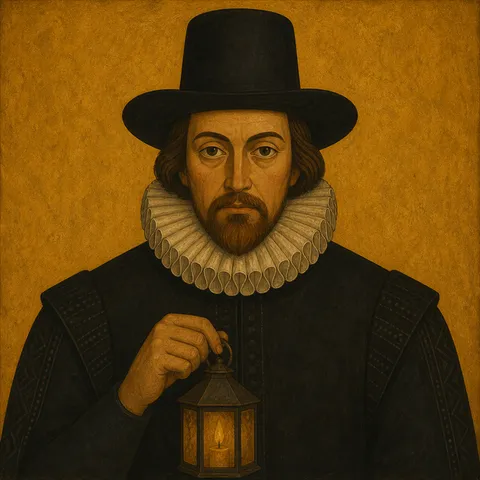 Francis Bacon
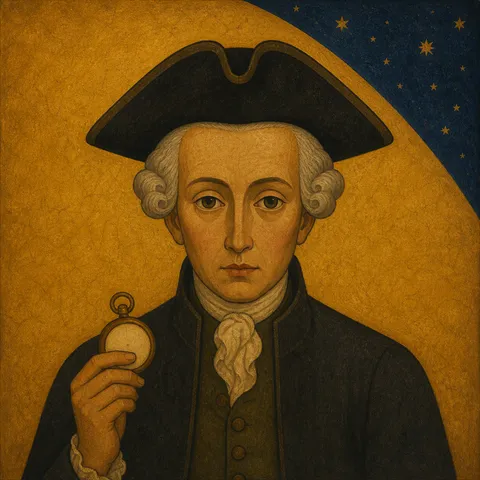 Immanuel Kant
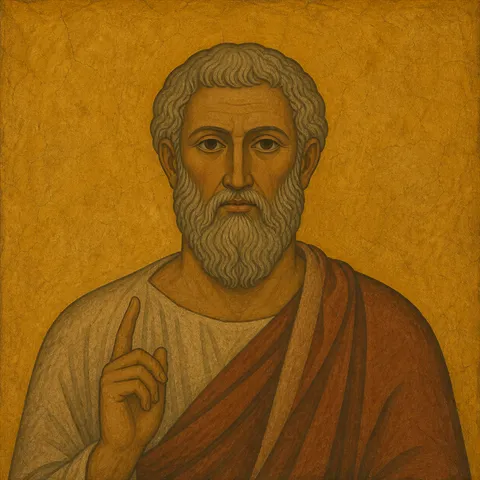 Plato
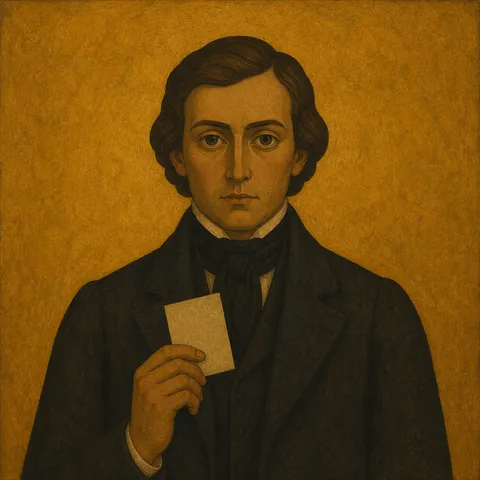 John Stuart Mill
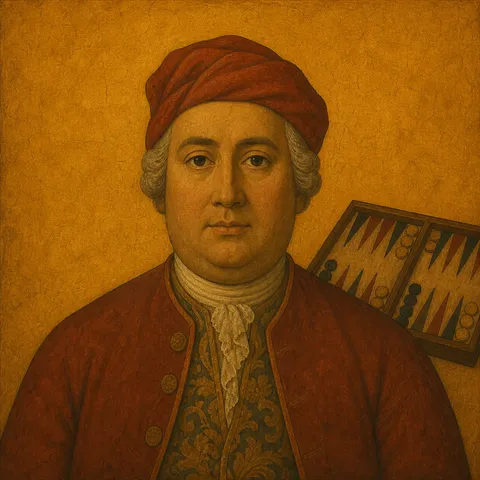 David Hume
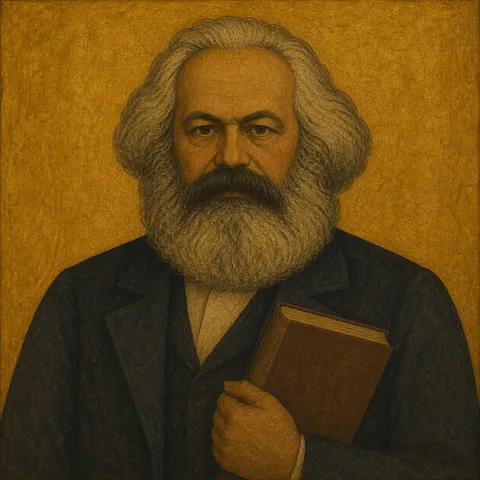 Karl Marx
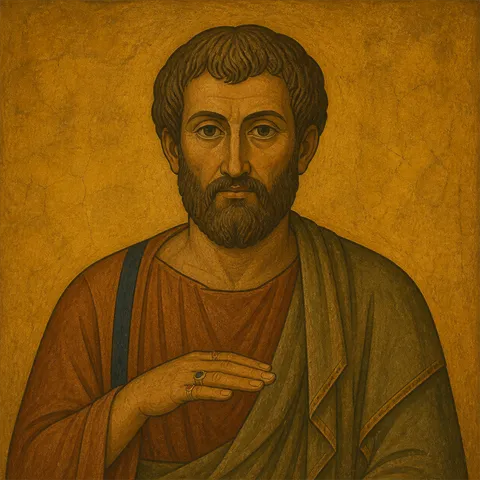 Aristotle
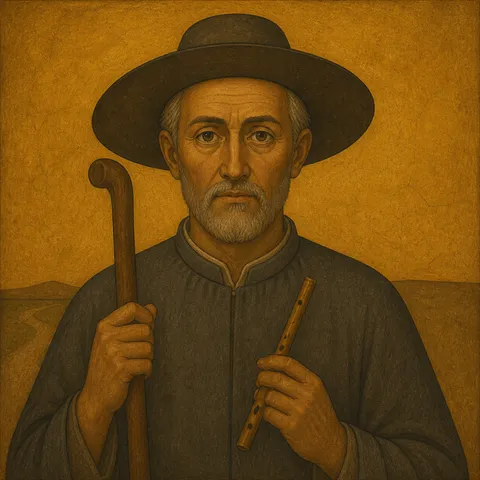 Hryhorii Skovoroda
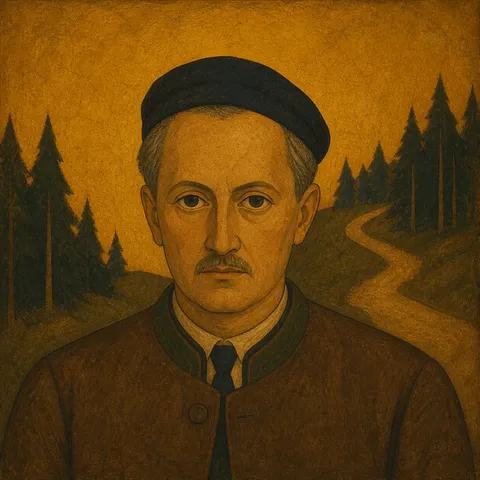 Martin Heidegger