You have people you answer at three in the morning, and people whose messages you open the next day. Almost nobody says that difference out loud. Thirty cards have already shown where you draw the line: whom you owe the truth and loyalty, and whom you merely lend money to without paper. Ahead stand twelve people who drew the same line on parchment and had to defend it.
YOUR COMPASS ON THIS ROUTE
STATION 1 / 12
Half the people I call friends are people I need for something.
Aristotle looked at the people a man calls his friends and asked what actually holds the pair together. Sometimes advantage does: the neighbour with a drill, the classmate whose notes arrive the night before an exam. Pleasure holds the second kind together, and the young keep mistaking it for love and losing it inside a week. And sometimes two people wish each other well because of what each of them is. That third bond he called perfect, adding at once that it is rare, since it wants time and a measure of salt eaten together. The turn lies in his account of dissolution. A friendship of use finishes without betrayal, quietly, the moment the use finishes, and nobody has wronged anybody. Half your list may well stand on those terms, and Aristotle would call that an honest arrangement. His pressure falls on the second question: whether you counted the other half correctly.
Thus when the motive of the friendship is done away, the friendship is dissolved, inasmuch as it existed only for the ends in question.
Epicurus treated friendship as the safest investment a reasonable person makes, and he measured it by the security it brings into a house. Of everything wisdom secures for a whole life of happiness, he ranked the getting of friends highest. Outside Athens he kept a garden where people from several cities came to live on water and plain food, with a little cheese on a feast day. The mere presence of those people removed most of the fear a person carries to bed. Hence his odd conclusion: friendship grows out of need, and the need degrades nothing, since both sides have it and both admit it. Somebody has to make the first move, the way somebody has to cast seed into the ground. A friend who rings at three in the morning and explains nothing proves to Epicurus that the garden works. Whoever swiped no on that card is guarding against the debt, and his answer is that the debt runs both ways.
Cicero wrote about friendship in a year when the republic was already coming apart and his own friends stood on opposite sides of a war. His chief friend he rarely saw: Atticus lived in Athens, and what we call their intimacy consists of letters carried across a sea for months. Out of that he produced a definition that still holds. Looking at a true friend, a man sees something like a second self, so that wherever the friend is, he is too: poor beside a rich friend he is not poor, weak beside a strong one he is not weak. Distance leaves that optics intact, since it works in the imagination exactly as it works in a room. Three years with no voice and only text on a screen he would call friendship without hesitation. His condition lay elsewhere, in virtue on both sides, and in neither man ever asking the other for something shameful.
In the face of a true friend a man sees as it were a second self.
Paul wrote to communities that quarrelled the way all small communities quarrel: over seats at a table and over who cut in on whom. His advice is scarce and all of it runs one way. The first move belongs to whoever sees that it is needed, and it is made without waiting for the other side to admit fault. The ground for it comes from a hymn he quotes to the Philippians: the one who had a claim on everything laid the appearance down and took the appearance of a servant. From that follows an odd arithmetic. Apologising first costs nothing, because in this accounting there was nothing to lose. Whoever swiped no leans on a sense of justice that Paul understood well and called thoroughly human. He held that inside a friendship the order of the steps weighs more than the order of the blame.
In lowliness of mind let each esteem other better than themselves.
Augustine knew betrayal from both ends. He deceived his own mother and lived for years in a way he was ashamed to describe; then he wrote a book that set all of it out in order. That is why his view of an unfaithful friend comes out of experience, with no indulgence left in it. A person, on his account, has no fixed floor: the will inside is split, and the same man who sold your secret last year can, a year on, be so altered that you fail to recognise him. So the forecast that a traitor will betray again he would reject as too confident about another soul. This is no instruction to keep such a friend close. Augustine separated trust from mercy: the keys to your flat may stay in your pocket, while a life sentence is being written for someone whose last page you have not read.
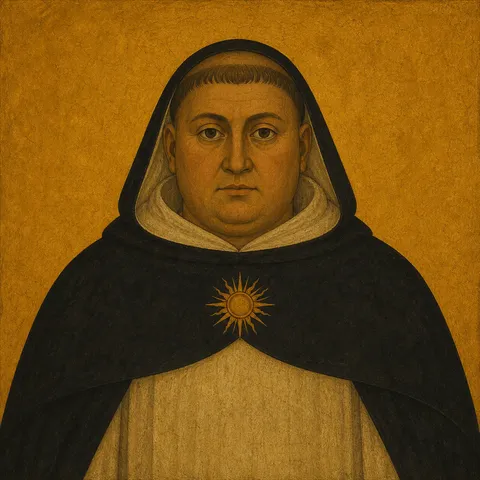
Aquinas held lying to be forbidden always, with no situational discounts. In the same breath he drew a distinction that rescues half of human conversation: a lie is a false assertion made to deceive, and silence asserts nothing. It follows that you do not owe the truth to everybody on demand; you owe it to a person entitled to ask. A husband whose wife is unfaithful keeps that entitlement, on this account, when he asks you directly. The friend who arrives unasked with the news has taken on a role nobody assigned him, and Aquinas would judge that step by what it does to the marriage, and the purity of the motive weighs little there. Whoever swiped yes here chose transparency. Aquinas would offer a third road: go to the one doing the betraying, and leave the betrayed alone.
Machiavelli wrote for a man who has to survive in a city where the neighbour informs and the ally vanishes overnight. His premise is plain: people snap the bonds of love the moment snapping them pays, and they do it without shame, since the shame goes unnoticed. He took no pleasure in that and never advised becoming such a man; he demanded that you budget for him. A friend who has three times forgotten your five thousand has handed you three observations, and Machiavelli would call a fourth loan inattention. Here he is regularly confused with cynicism. What he argued is that mutual advantage can be seen and checked, while a promise can be checked by nothing at all, so a friendship is best built where both sides stand to lose the same. Whoever swiped yes did what the Florentine advised: closed the account while it was still small.
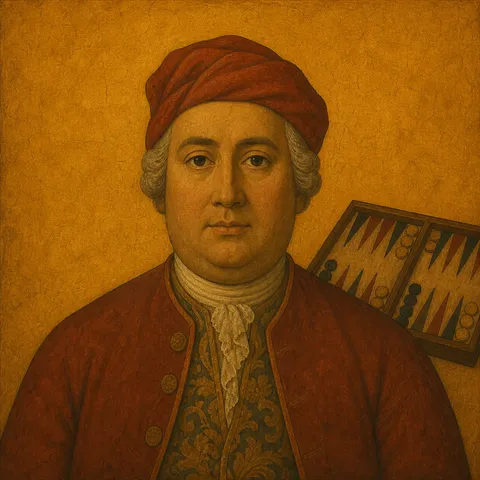
Hume took human attachment apart the way one takes apart a mechanism. Sympathy in his account passes between people almost physically, without choice and without merit, and its force falls off with distance: kin over strangers, the familiar over the new. From that comes his calm about an old friendship kept up by habit. Habit for Hume is the stuff human life is made of, belief in cause and effect included. A face you have watched for twenty years still does its work on your composure when the conversation with it has gone hollow. He lived in that rhythm himself: having finished a chapter, he went off to backgammon and to dinner with people he had no wish to argue with. Your yes on that card he would accept, and add that a habit can live long enough to become love.
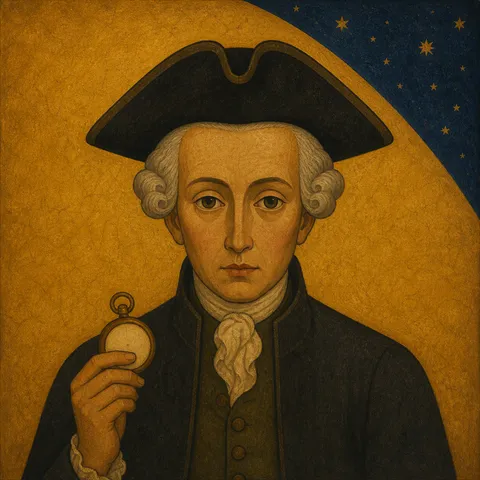
Kant tested an action with one question: would my rule survive if everyone began acting on it. Lying fails the test, and he shows this by logic, with no moral heat in it. Once anyone in difficulty has leave to say what is false, words stop counting as evidence, and the liar wrecks the very instrument he is using. So a friend asking you to lie to his mother would read, for Kant, as a request to spoil something held in common, something used by people with no part in this story. The sharpest thing in him is his refusal to make an exception for love: truthfulness is a duty owed to humanity in your own person, and closeness cancels none of it. Silence he allowed. Whoever swiped yes chose the person over the rule, and Kant would answer that the rule is what keeps the person.
I can will the lie, I can by no means will that lying should be a universal law.
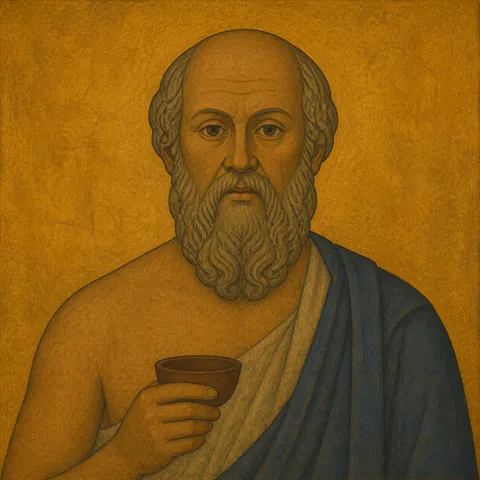
Socrates turned conversation into a procedure. He took a person's firmest conviction and asked questions until that person could see for himself that the conviction would not stand. He did it with generals and with poets, almost always unasked, and almost always sent the man home without the answer he had arrived with. That was the gift, as Socrates understood it: whoever lives with an untested judgement is living with somebody else's. He told the court he had done Athens more good than an Olympic victor, and the city answered with a cup of hemlock. A friend who hears the truth to his face pays for it in the coin Socrates paid in, which is loss of composure. Whoever swiped no sees cruelty in that. Socrates would answer that the cruelty belongs to the illusion, and he only points at it.
Nietzsche despised a friendship built on sparing each other. In Zarathustra he takes first place away from the neighbour and gives it to the friend, then sets the friend a condition that chills: be capable of becoming his enemy. A pair who keep one another in warm agreement he read as an agreement on mutual diminishment, where nobody grows, because growing hurts. So keeping silent about a friend behind his back looked to him like plain cowardice: a man without the nerve to say the truth about someone in public will say nothing to his face either. On this he had his own record. He wrecked his friendship with Wagner precisely by publishing every thought he had. Whoever swiped yes is guarding the house from outside eyes, and Nietzsche would ask whether a convenient falsehood is being guarded with it.
In one's friend one shall have one's best enemy. Thou shalt be closest unto him with thy heart when thou withstandest him.
Camus got this question in Stockholm, from an Algerian student who wanted a word from him about terror. The answer he gave cost him his standing in half the Paris editorial offices: he believes in justice, and he will defend his mother ahead of justice. His whole position stands behind that. Abstraction always lies a little for Camus, because it has no face, while the person in front of you has one, and that is why no evil may be done to her in the name of the general good. He wrote this after years in the underground, where he had learned what a comrade's name is worth. Losing the best job of your life to avoid testifying against a friend is, for him, a hard decision with the price left visible. Whoever swiped no puts the law above the person standing there, and he argued with that view all his life.
The route pulled one axis into view: the friend as a claim upon you, and the friend as someone you owe the truth out loud. Epicurus and Cicero sit nearer the first pole, Kant and Socrates nearer the second. Aquinas and Augustine hold open the ground between them, where silence and a second attempt both live. Look now at where your thirty swipes landed on that line, and which names kept coming back. Two doors into the records stand open: Cicero on the limit of a favour, and Socrates on a truth nobody asked him for.
SOURCES
Aristotle, Nicomachean Ethics, Book VIII (tr.: W. D. Ross) · classics.mit.edu
Cicero, Laelius de Amicitia (tr.: E. S. Shuckburgh) · www.gutenberg.org
Paul of Tarsus, Philippians (King James Version) · en.wikisource.org
Immanuel Kant, Fundamental Principles of the Metaphysic of Morals (tr.: T. K. Abbott) · www.gutenberg.org
Friedrich Nietzsche, Thus Spake Zarathustra (tr.: Thomas Common) · en.wikisource.org
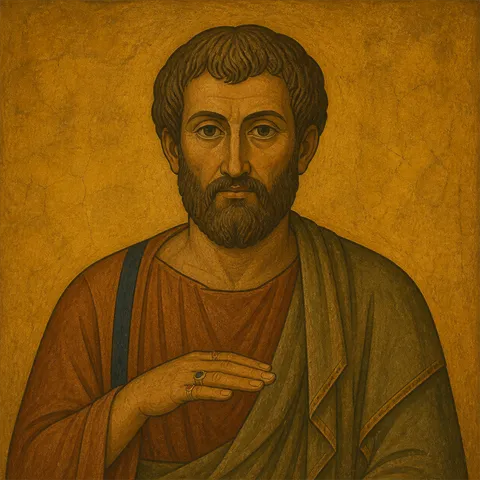 Aristotle
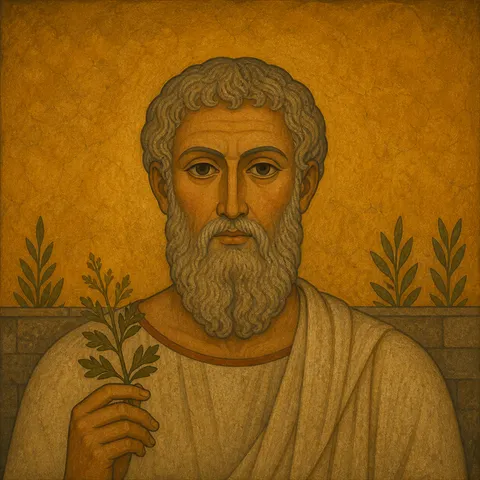 Epicurus
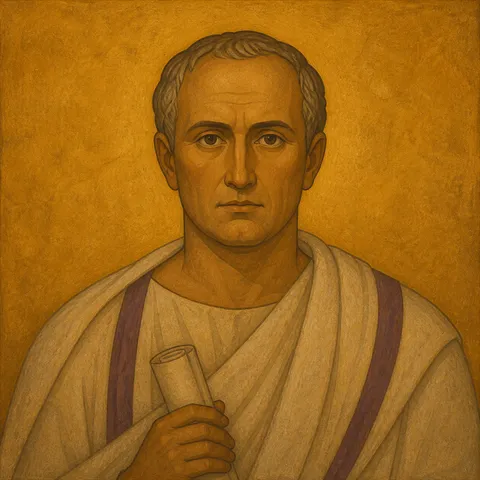 Marcus Tullius Cicero
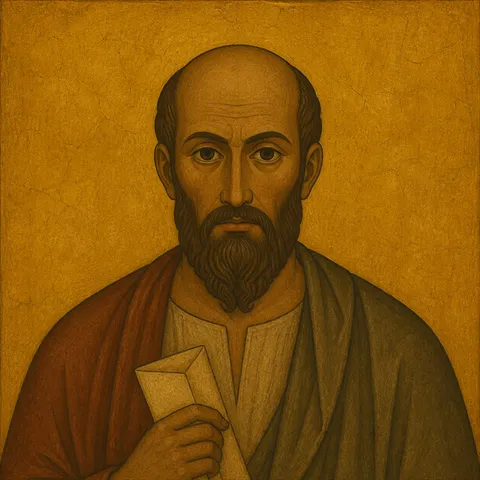 Paul of Tarsus
 Augustine of Hippo
 Thomas Aquinas
 Niccolò Machiavelli
 David Hume
 Immanuel Kant
 Socrates
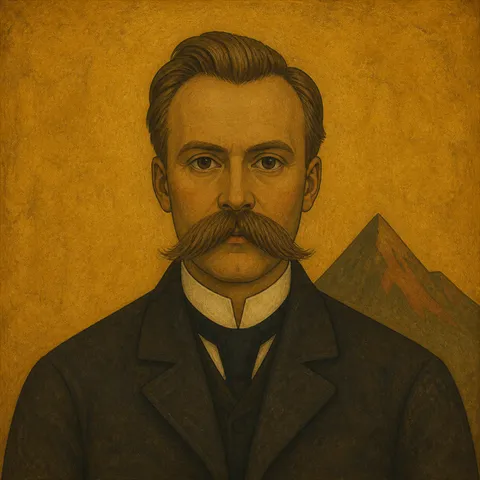 Friedrich Nietzsche
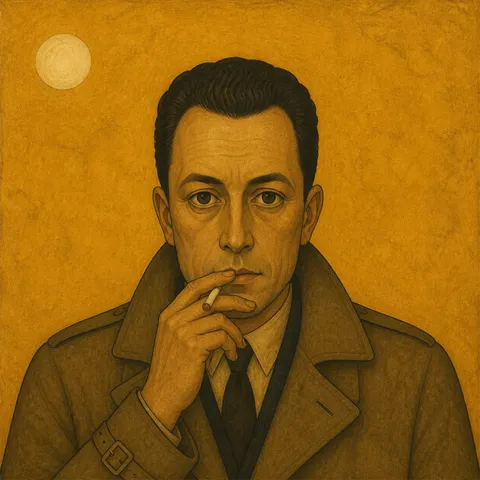 Albert Camus